In Slovenia, an installed air-to-water heat pump for a house with radiators costs roughly €6,000 to €7,000 for a smaller, well-insulated home, and €15,000 or more for larger systems or high-temperature units. When you replace an old boiler in 2026, Slovenia’s Eco Fund (Eko sklad) refunds up to half of the eligible costs, capped at €4,500 for air-to-water units. Whether the investment pays off depends mostly on how hot your radiators need the water to be.
Why radiators are a challenge for a heat pump
A heat pump is most efficient when it heats water to the lowest possible temperature. Manufacturers describe a flow temperature of around 35 °C as ideal, and above roughly 45 °C efficiency drops noticeably while electricity use climbs. That is why heat pumps pair best with underfloor or wall heating.
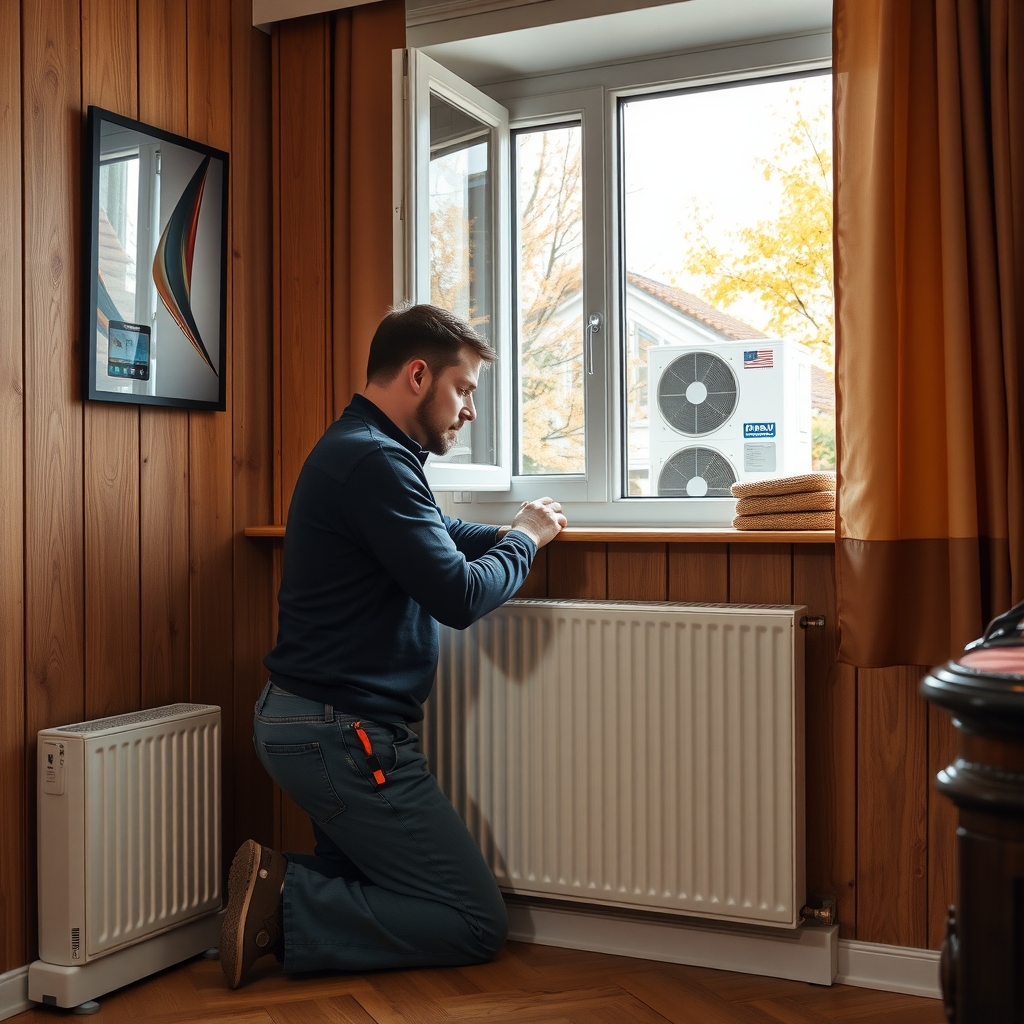
Conventional radiators in older homes were sized for oil, gas or wood boilers that heated water to 70 °C or more. A heat pump can run them, but the water has to be warm enough to cover the house’s heat loss on the coldest days. That temperature decides which unit you need and how much you will pay for electricity.
A simple test for your home
During a cold week, gradually lower the flow temperature on your existing boiler, for example to 55 °C and then to 50 °C. If the rooms are still comfortably warm, your radiators are big enough for a standard heat pump. If it gets chilly, note the temperature at which that happened and pass it on to your installer.
How much a heat pump for radiator heating costs
The price depends on the type, output, complexity of installation and extra equipment. The figures below are indicative prices quoted by suppliers on the Slovenian market and include installation, but not new radiators or underfloor heating. Prices elsewhere can differ.
| System | Indicative installed price | Best suited to |
|---|---|---|
| Air-to-water, standard (around 8 kW) | from about €6,000 | well-insulated houses with large enough radiators |
| Air-to-water, larger or more complex systems and high-temperature units | from about €7,000 to €15,000 and more | older houses that need 60–70 °C |
| Ground-to-water or water-to-water | about €8,000 to €18,000 | larger houses where boreholes or groundwater are an option |
With ground-source and groundwater systems, a large share of the cost goes on the borehole, the collector, geological surveys and, for groundwater, a water permit. With air-to-water, the unit itself is the main expense.
What a quote often leaves out
- Buffer tank: suppliers recommend about 20–25 litres per kilowatt of output, so at least 240–300 litres for a 12 kW unit.
- Hot water cylinder: replacing it at the same time raises the price.
- Radiator upgrades: swapping individual undersized radiators and hydraulic balancing of the system.
- Electrical supply: some houses need a stronger fuse or new wiring.
- Removing the old boiler and, if needed, work on the chimney.
High-temperature or standard heat pump
High-temperature heat pumps heat water to 65–80 °C, so they can replace a boiler without changes to the radiators. Newer models manage this even at outdoor temperatures of around –15 °C. Suppliers quote a coefficient of performance (COP) of about 3 to 4.5, meaning you get 3 to 4.5 kWh of heat from every kilowatt-hour of electricity.
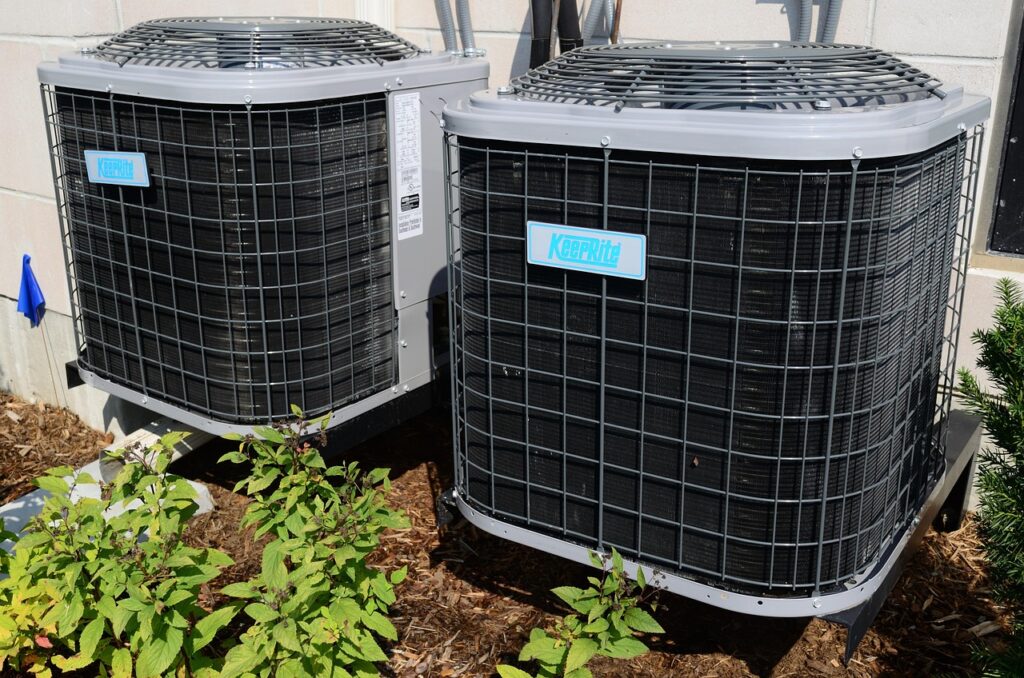
The downsides are a higher purchase price and slightly lower efficiency than low-temperature units. Some cheaper models switch on an electric backup heater in severe frost, which pushes up consumption. If the test shows your house stays warm at 50–55 °C, a standard air-to-water unit is usually the better choice.
What to do in practice
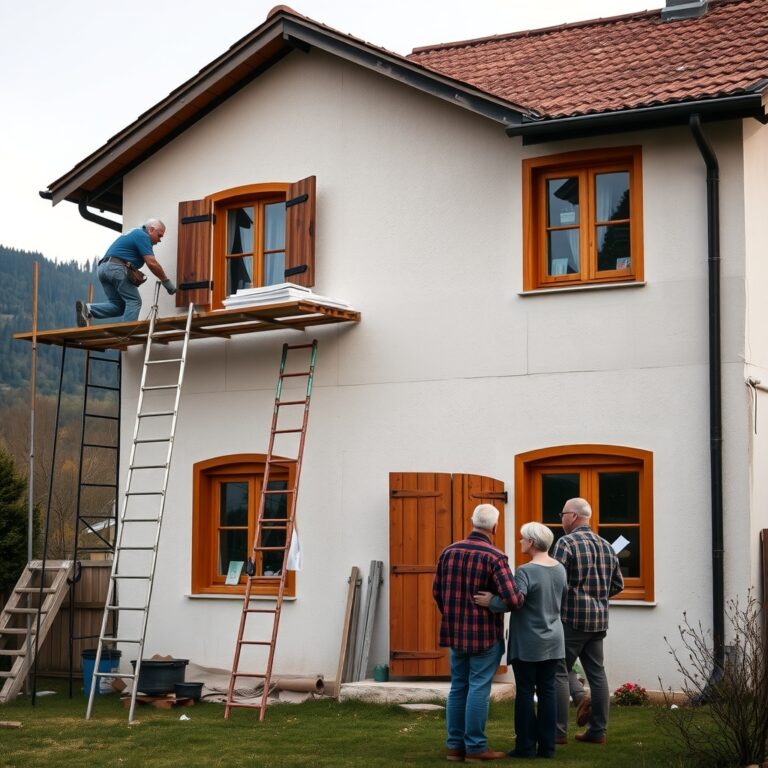
- Insulation first: a new facade or loft insulation reduces both the required output and the water temperature.
- Then the radiators: replacing two or three undersized radiators is often cheaper than a pricier unit.
- Only then the unit: ask the installer to size it from the house’s heat loss, not from the output of the old boiler.
Eco Fund subsidy in Slovenia in 2026
In April 2026, Slovenia’s Eco Fund published a new public call with higher grants for investments made from 1 March 2026. When you replace an old heating system, you can receive up to 50% of eligible costs. The cap is €4,500 for an air-to-water heat pump and €8,000 for ground-to-water and water-to-water systems. Other countries run their own support schemes.
You apply after the investment is complete, so keep your invoices and other paperwork. The building must be legally built, and the unit must meet the technical requirements of the call, which are worth checking before you sign with an installer. The Eco Fund also offers low-interest loans, and the ENSVET network of energy advisers gives free advice.
Example: if your house needs an air-to-water unit costing €9,000 installed and all costs are eligible, half is €4,500, which is also the cap. Your own outlay would be about €4,500.
The best heat pump for radiator heating
The best unit is not necessarily the most expensive one, but the one that is correctly sized for your house. When comparing quotes, look at:
- the seasonal coefficient of performance (SCOP) at a 55 °C flow temperature, not only at 35 °C;
- performance at low outdoor temperatures and when the electric backup heater kicks in;
- noise from the outdoor unit and where it sits relative to the neighbours;
- the local service network, warranty and terms of the annual service;
- whether the unit qualifies for a subsidy.
With a good-quality unit and regular servicing, you can expect 15 to 20 years of operation. According to supplier estimates, replacing an old oil or gas boiler cuts annual heating costs by 40–60%, but only if the unit and the radiators are properly matched.
Frequently asked questions
Can I connect a heat pump to my old radiators?
Yes, if they are large enough to heat the house with water at around 50–55 °C. If they need 70 °C, choose a high-temperature unit or replace the undersized radiators.
How much does an air-to-water heat pump for a house with radiators cost?
Installed, roughly from €6,000 for a smaller, well-insulated house to €15,000 or more for larger or high-temperature systems, before subsidies.
How much subsidy can I get for a heat pump in Slovenia in 2026?
When replacing old heating, up to 50% of eligible costs, capped at €4,500 for air-to-water and €8,000 for ground-to-water or water-to-water, for investments from 1 March 2026.
Do I need a buffer tank?
Most installers recommend one for radiator heating. A rule of thumb is 20–25 litres per kilowatt of heat pump output.